Broomcorn Grown by Broom Makers
Varieties and Post-Harvest Handling Techniques for Niche Markets
A project funded by a Farmer-Rancher Grant from USDA’s North Central Sustainable Agriculture Research & Education.
May 2026 – May 2027
Project Overview
This project is evaluating variety yields at harvest and their materials yields after processing on the farm. We will also collect feedback from broom makers on usability of the sorted materials and varieties, and report the feasibility of producing materials for a niche market (brooms made from a US-grown crop).
Project Background
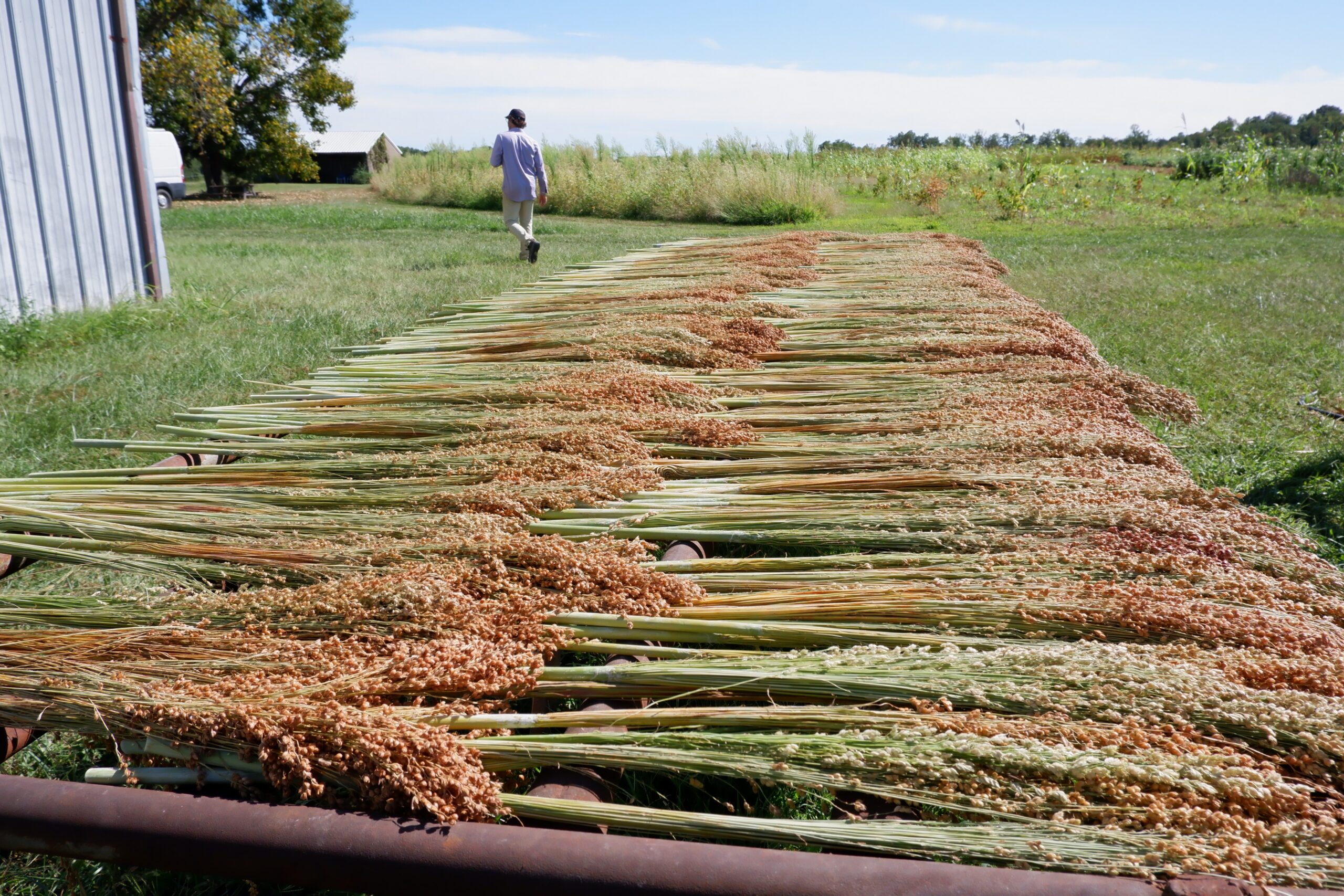
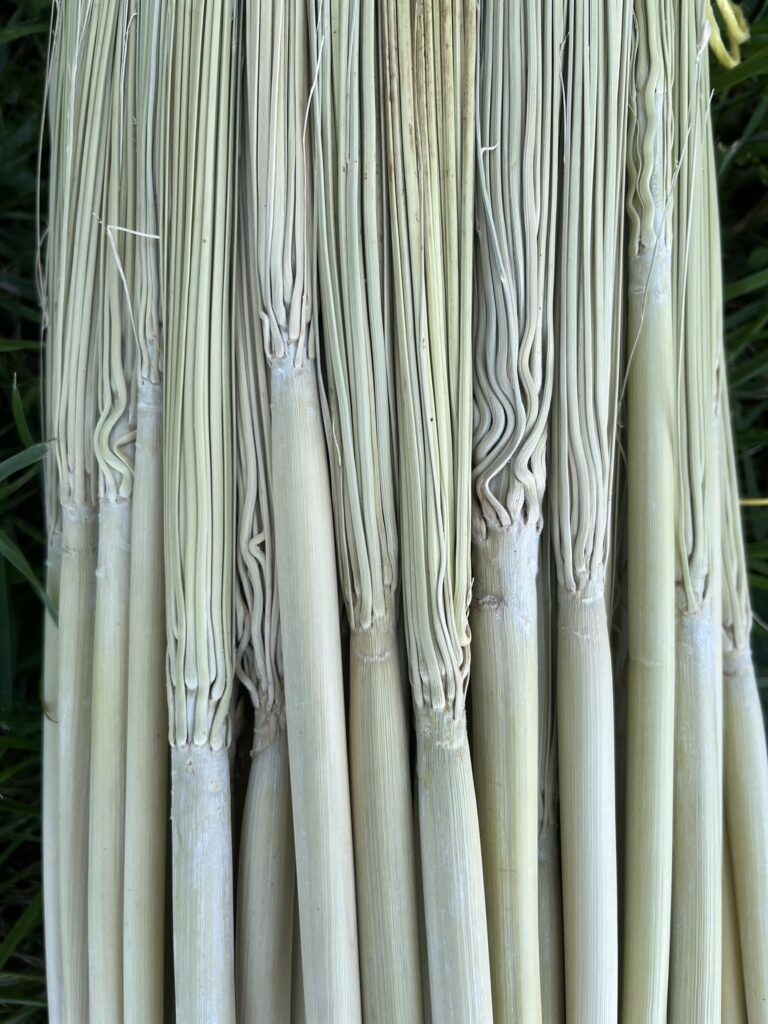
The Basics: Broomcorn (Sorghum bicolor) is a variety of sorghum bred for long brush that is used in broom making. The stalk is cut, seed is removed, and the plant material is dried for craftwork.
Some Historical Context: The sorghum genus of plants are amazingly productive plants that are resilient to drought, provide nutritious forage and grain, and require minimal fertilization. Sorghums have sustained civilizations for thousands of years, but are relatively new to Turtle Island (North America).
We have generations of African farmers to thank for these plants. According to geneticists, farmers in what is now Sudan and Ethiopia began consuming seed about 10,000 years ago and were saving seed from selected plants by 6,000 years ago (Dillon, S.L., 2007). Sorghums spread to India and the Middle east 3,000-ish years ago and into the far east about 1,600 years ago. Farmers in these areas adopted the crop into traditional farming systems and began growing it on ‘marginal lands’, those with shallow or poor soils where other traditional crops could not reliably produce a harvest.
Sorghums have only been here on this continent for a little over 100 years! It could be said that farmers here are still figuring out how incredible this crop is and how to best fit sorghums into our farming systems here.
Broomcorn in the US: Broomcorn was once a major US crop, with farmers growing millions of pounds across the midwest. Currently and since shortly after the passage of NAFTA, broomcorn has been grown almost exclusively in Mexico. Harvest of broomcorn has not been widely mechanized. It is a relatively labor-intensive crop with harvest and many steps of drying and post-harvest handling done by hand.
Broom makers across the US are currently limited to Mexico’s crop coming through one major distributor. For broom makers and their customers, there is no ‘story’ to broomcorn- no traceability to any particular farm – and no variances in variety. Shortages of broomcorn material types are common, and broom makers must use minor suppliers that sell the same Mexican product but for a higher price.
A resurgence of broom makers in the US in the past few years have developed customer bases that value high craft, prefer locally made and sourced products, and are paying premium prices. Broom makers and these customers do not have a US-grown option or an option for broomcorn with a story and a farm that they can connect to.
We want to supply broom makers with US farm-grown broomcorn. We believe we can make superior and unique material available (different sizes and colors) than the standard product from Mexico. We believe this project will highlight new crop opportunities for farmers, empower broom makers to create new products, and build new niche markets for farmers and crafters. As organic farmers, we see an opportunity with broomcorn to raise a high-value crop on land during the organic transition phase, where land needs to be farmed for three years without prohibited substances before the organic price premiums for food crops can be achieved.
Project Goals
We have four objectives:
1) Trial varieties of broomcorn for: a) yields (# of stems harvested and weight), and b) weights and counts of materials for broom making, following post-harvest processing.
2) Record and evaluate harvest and post-harvest handling times for each of the varieties and each of the materials (craft broomcorn, cut brush, and cut stems).
3) Document broommaker preferences for varieties and materials via surveys.
4) Share what we learn via this webpage, a PDF resource for growers, a field day, a webinar, and presentations to agricultural conferences.
Updates
June 2026
Six varieties of broomcorn were planted in May, weeded in June, and all 6 are growing well in ample heat and rain. By all indications we will have harvestable broomcorn from each variety in the trial beginning in early to late August!
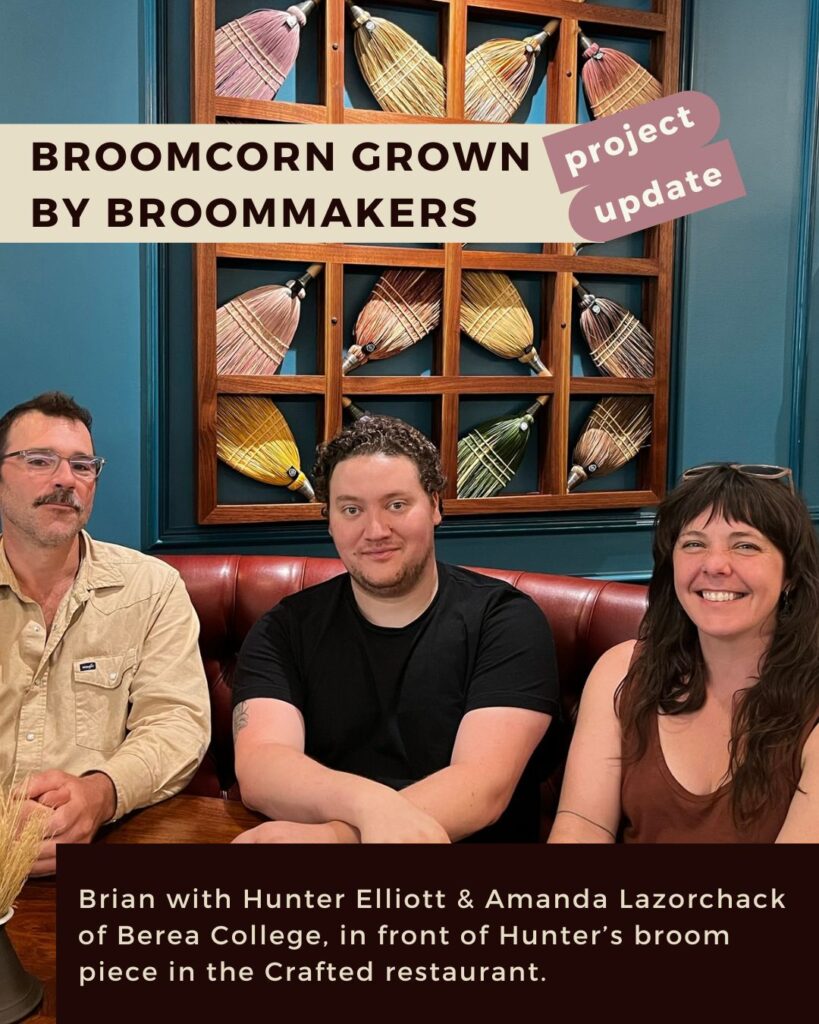
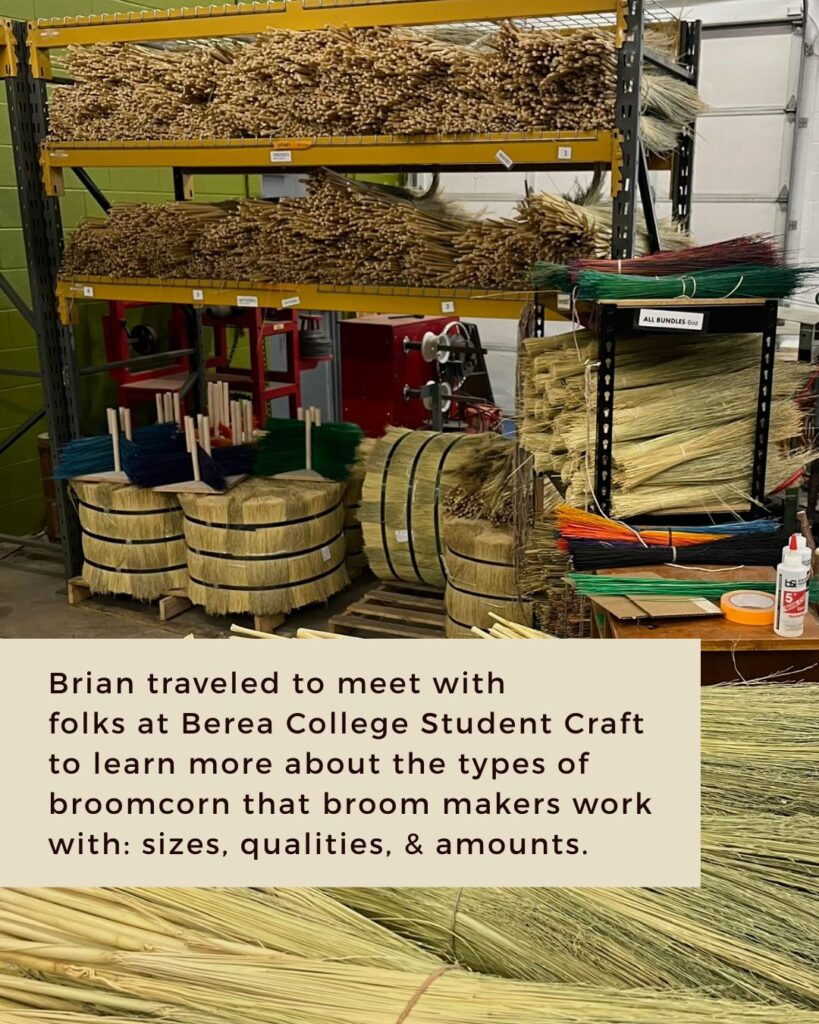
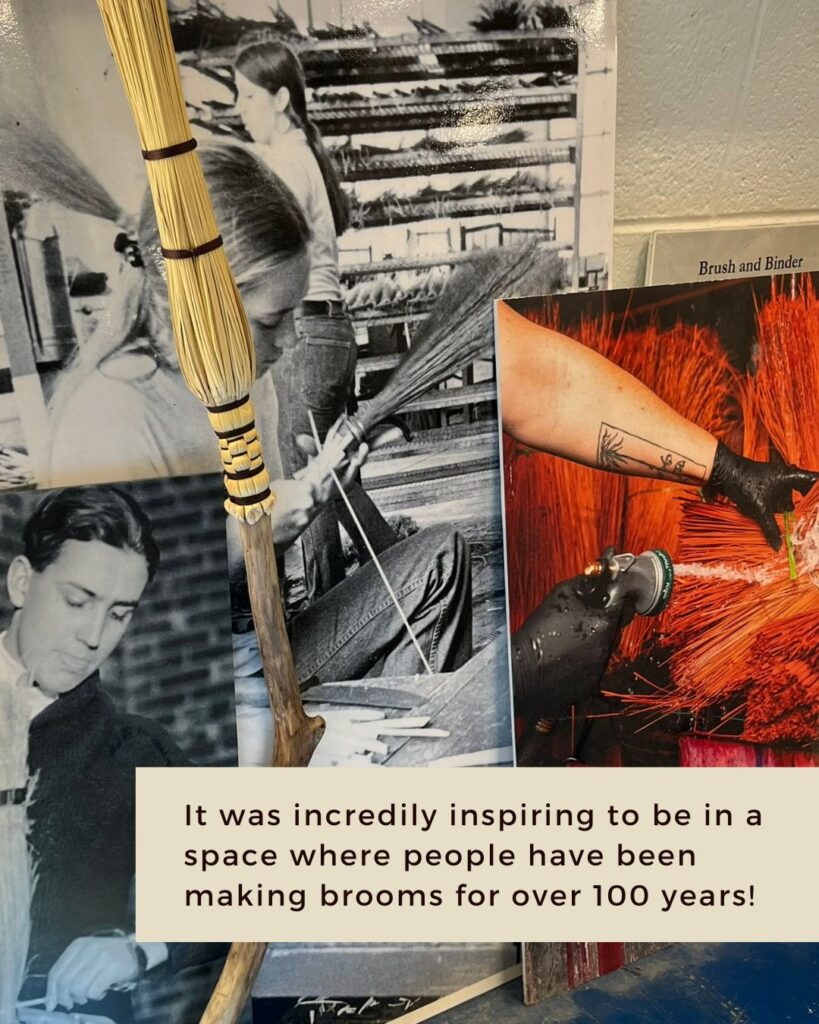
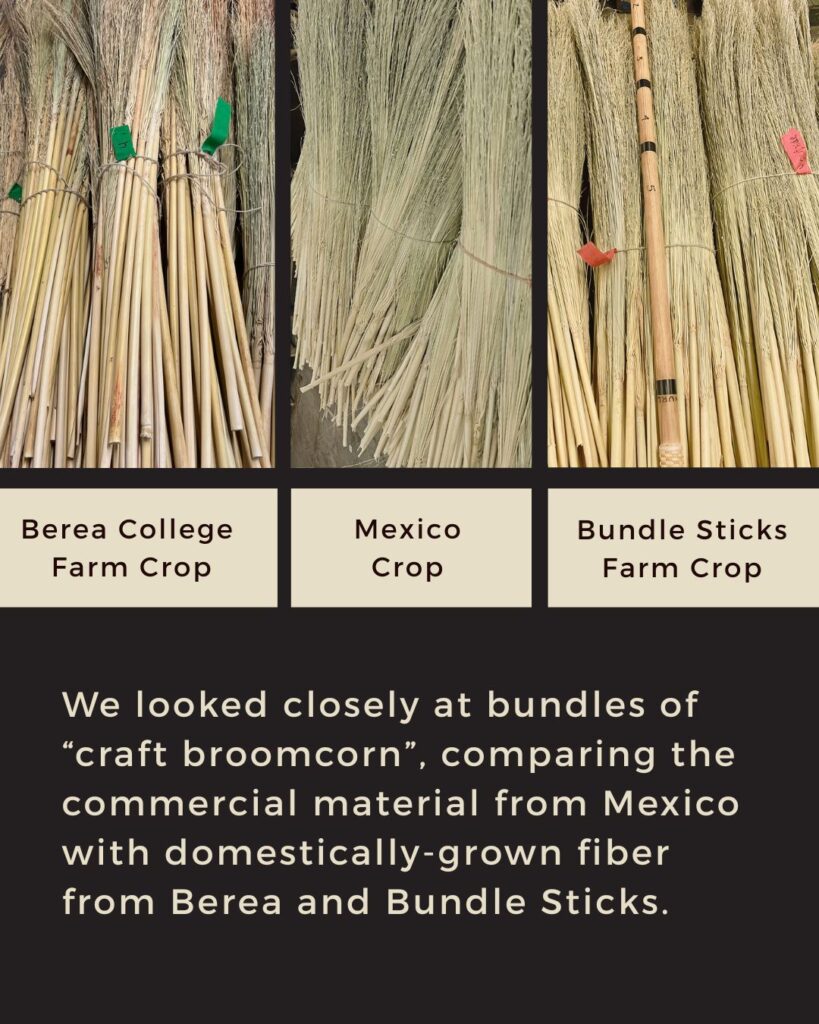
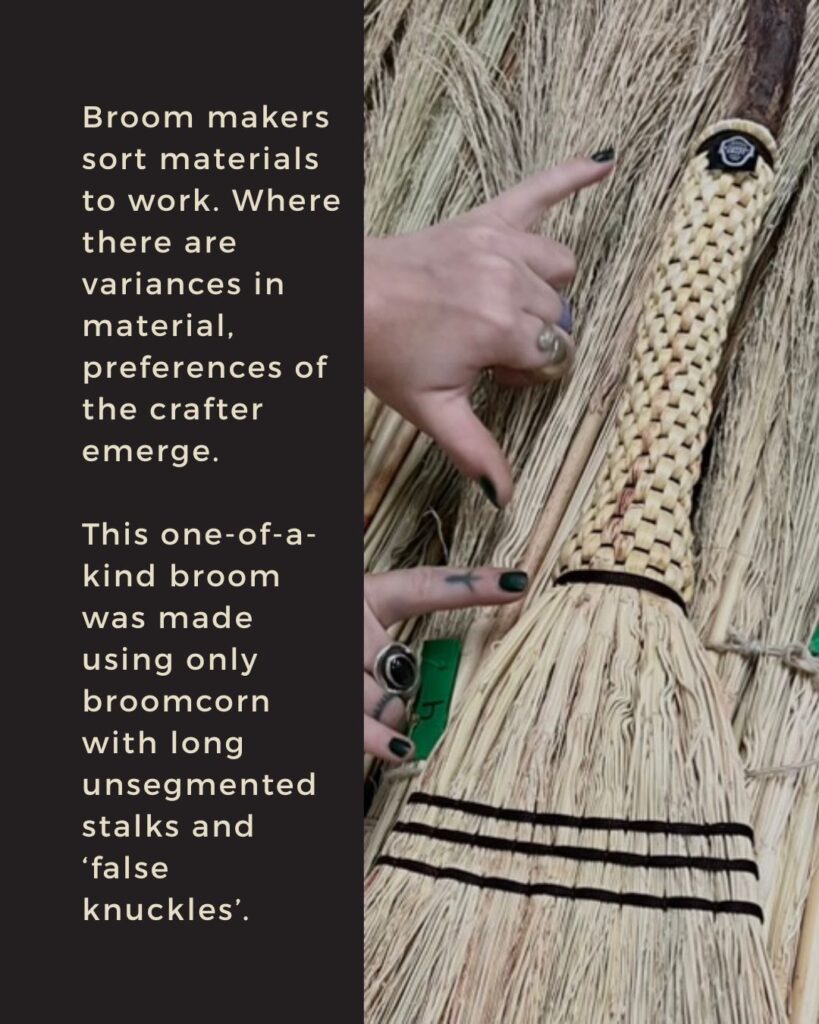
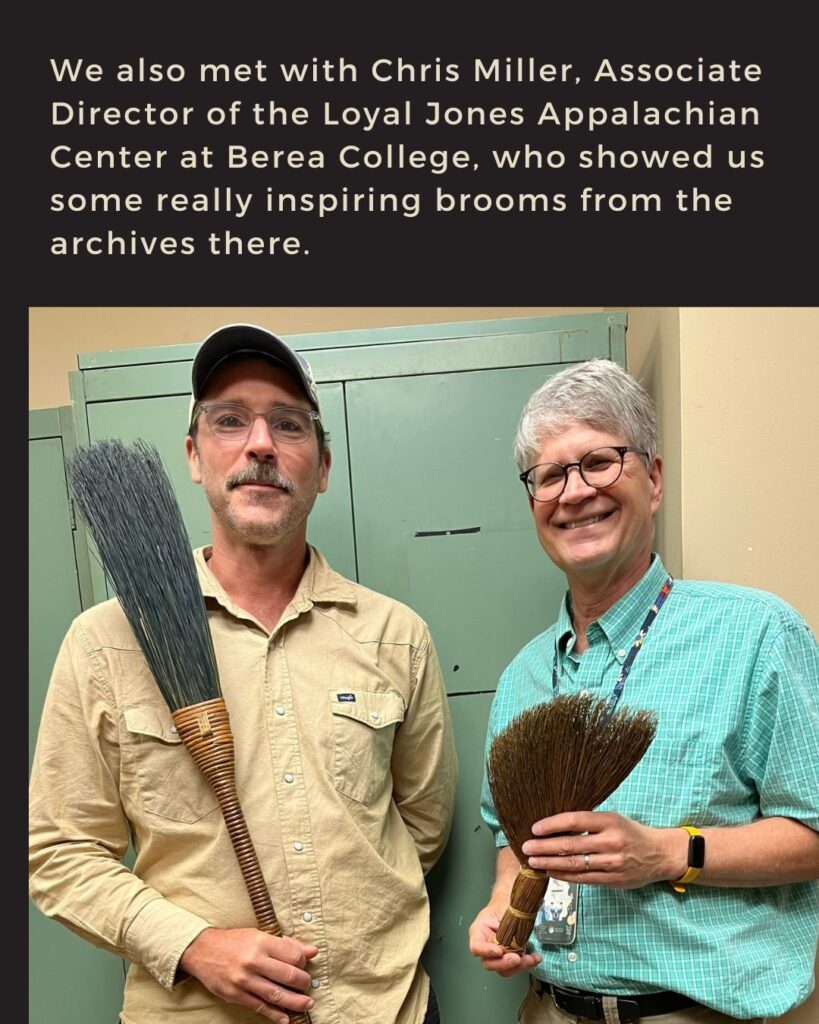
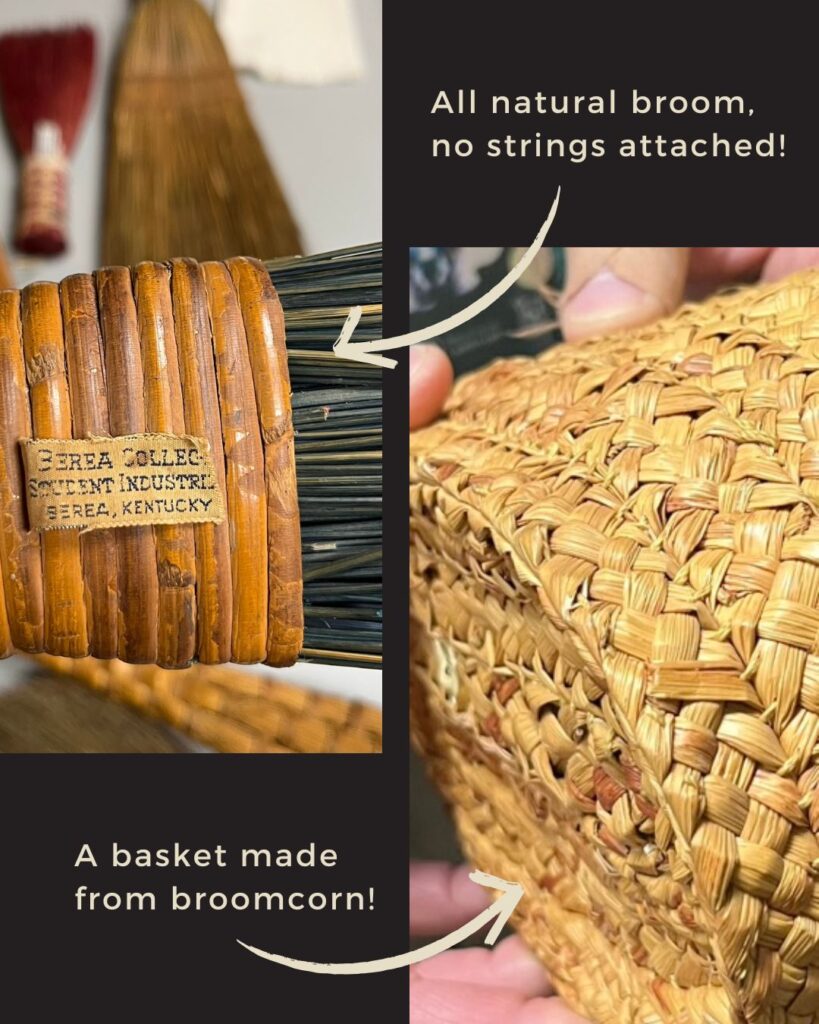
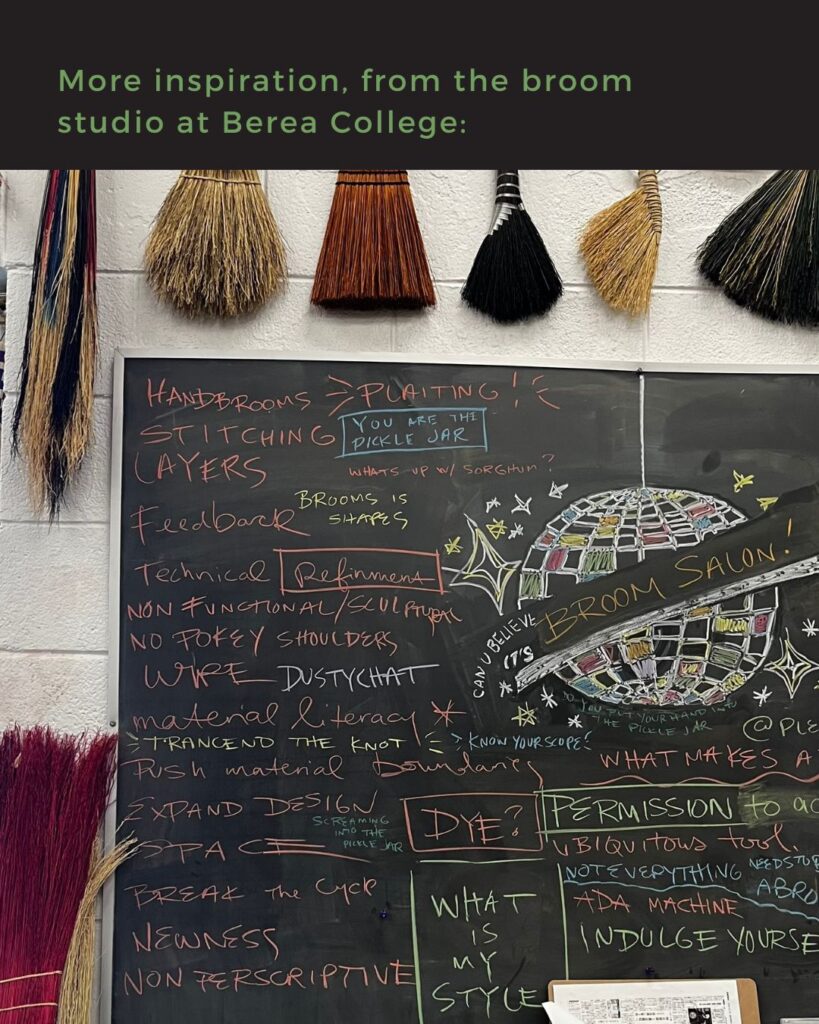
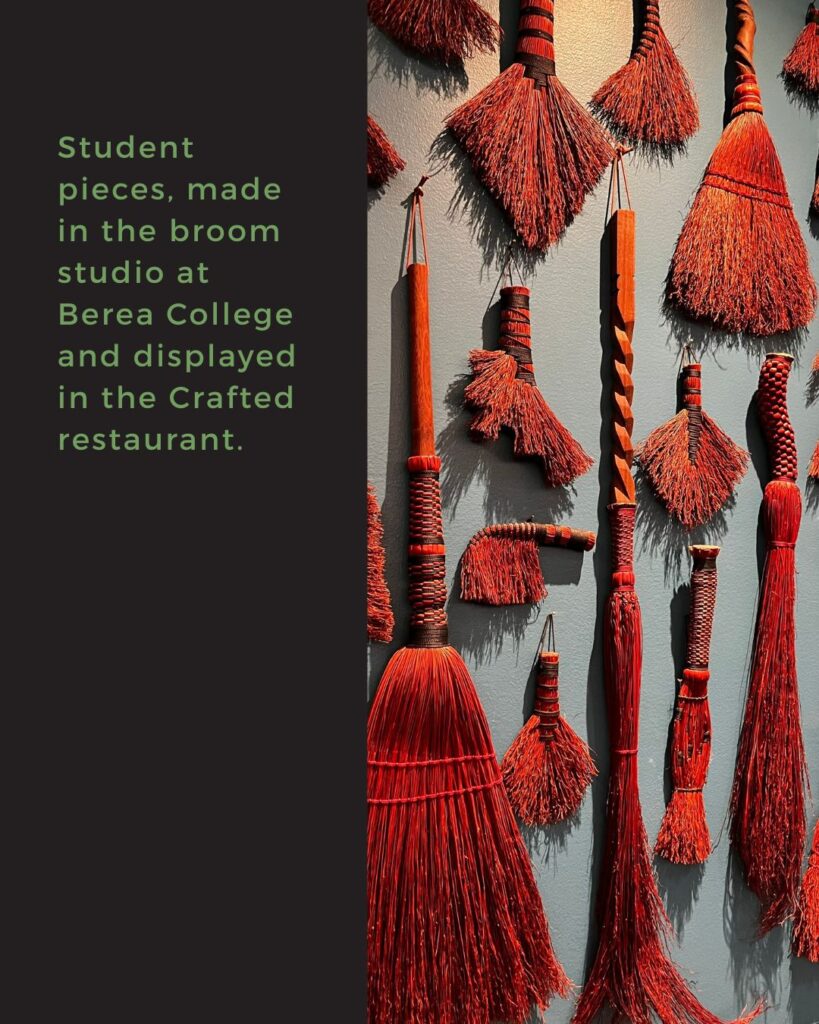
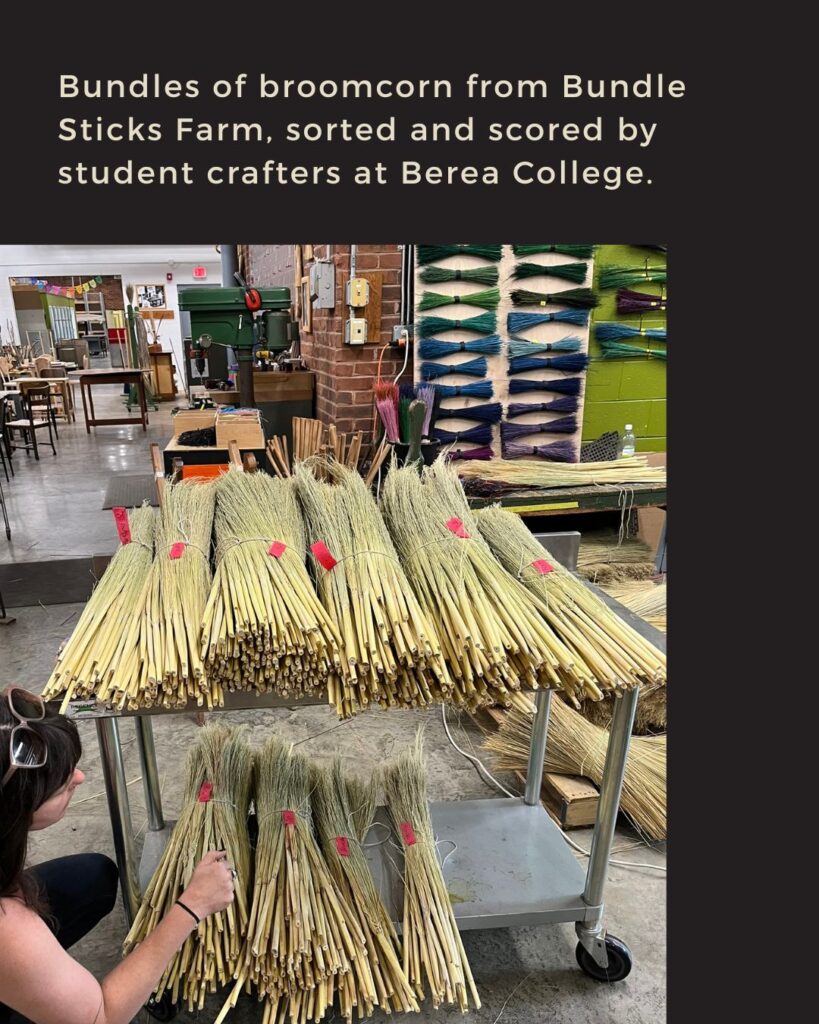
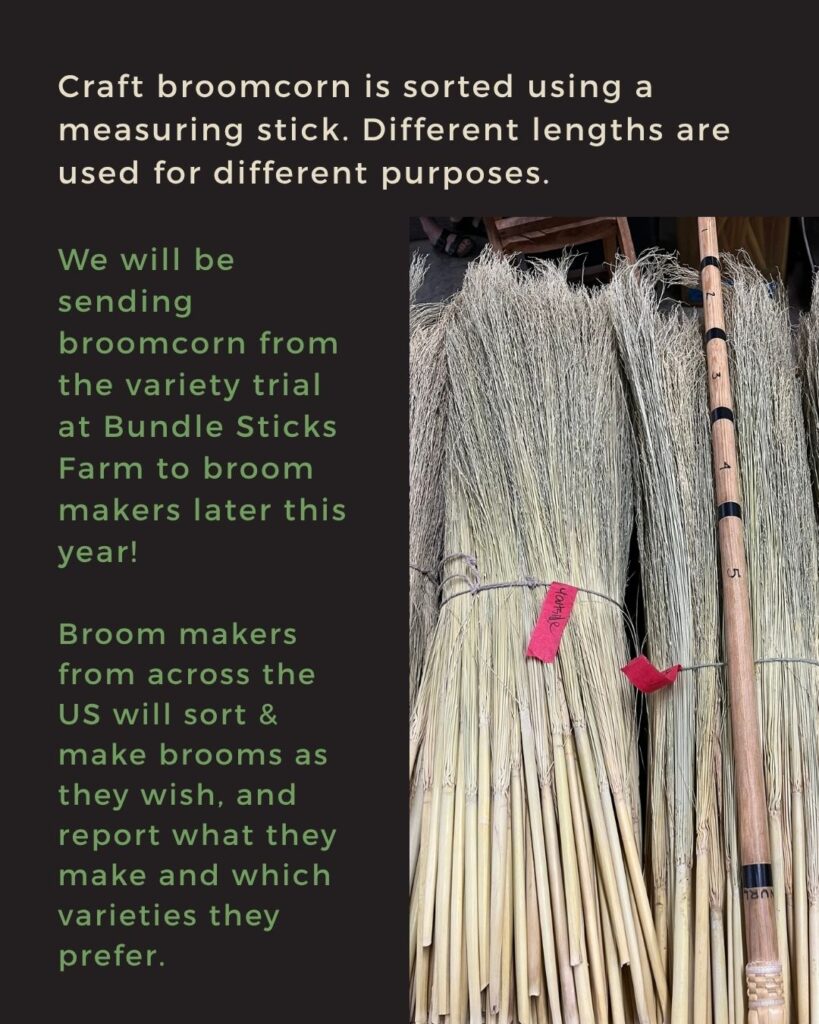
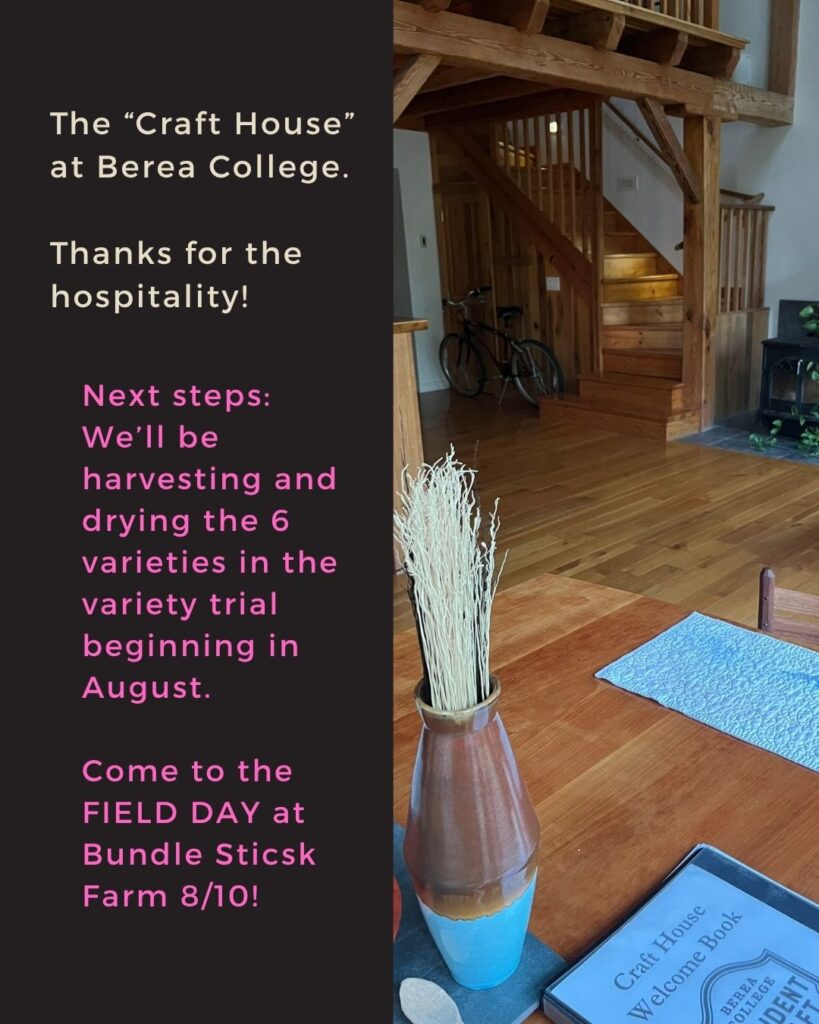
In late June, Brian traveled to Berea College to to consult with the good folks in the broom studio of Berea College Student Craft. Photos and information from that consultation are below:
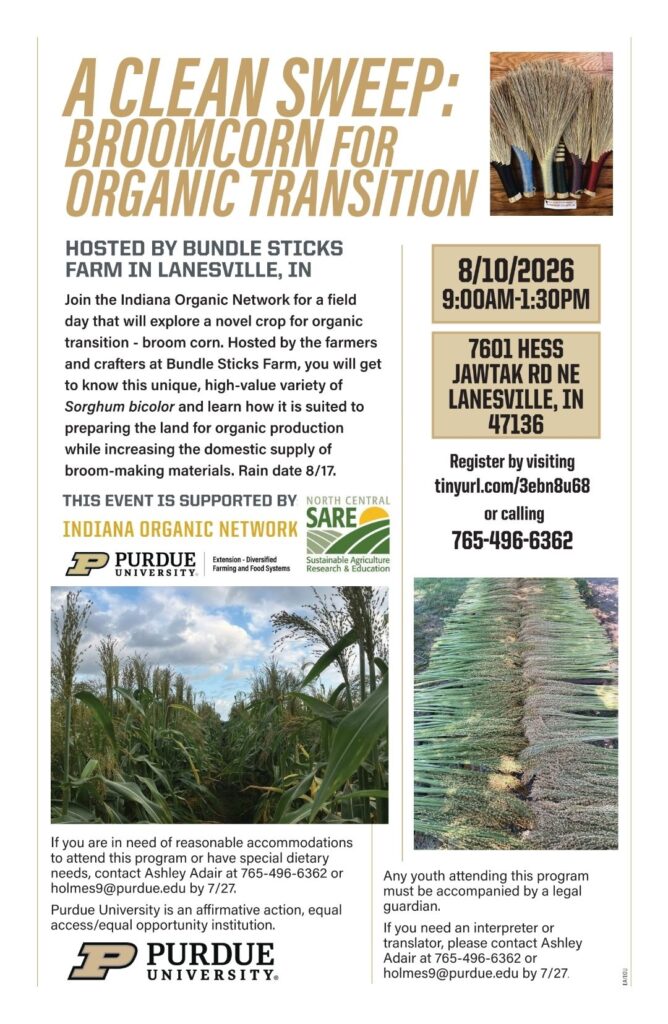
Come out for the project field day:
This material is based upon work that is supported by the National Institute of Food and Agriculture, U.S. Department of Agriculture, through the North Central Region SARE program under project number FNC26-1498. USDA is an equal opportunity employer and service provider. Any opinions, findings, conclusions, or recommendations expressed in this publication are those of the author(s) and should not be construed to represent any official USDA or U.S. Government determination or policy.